If you are considering importing—or you already import—you have probably heard of RADAR. However, few truly understand what it is, how it works, and, most importantly, how the authorization (or lack of it) can bring an entire operation to a halt.
RADAR: what it is, in simple terms
RADAR is the Brazilian Federal Revenue Service system that controls who is allowed to operate in Brazilian foreign trade. To import or export under your own registration in Siscomex, your company must be authorized in RADAR.
Without authorization, you can only operate through an importer acting on your behalf (por conta e ordem) or by commission (encomenda)—which increases costs, reduces control, and can create unnecessary dependencies.
There are three types of authorization:
- Unlimited: For companies with higher transaction volumes and compatible share capital. No import cap.
- Limited: For smaller companies, with a limit of US$150,000 per semester.
- Express: For MEIs and small businesses, with a limit of US$50,000 per semester. A simpler process, but with restrictions.
Why enable it before you need it
This is the point that causes the most issues in practice: companies that find out they need RADAR when they already have a shipment on the way.
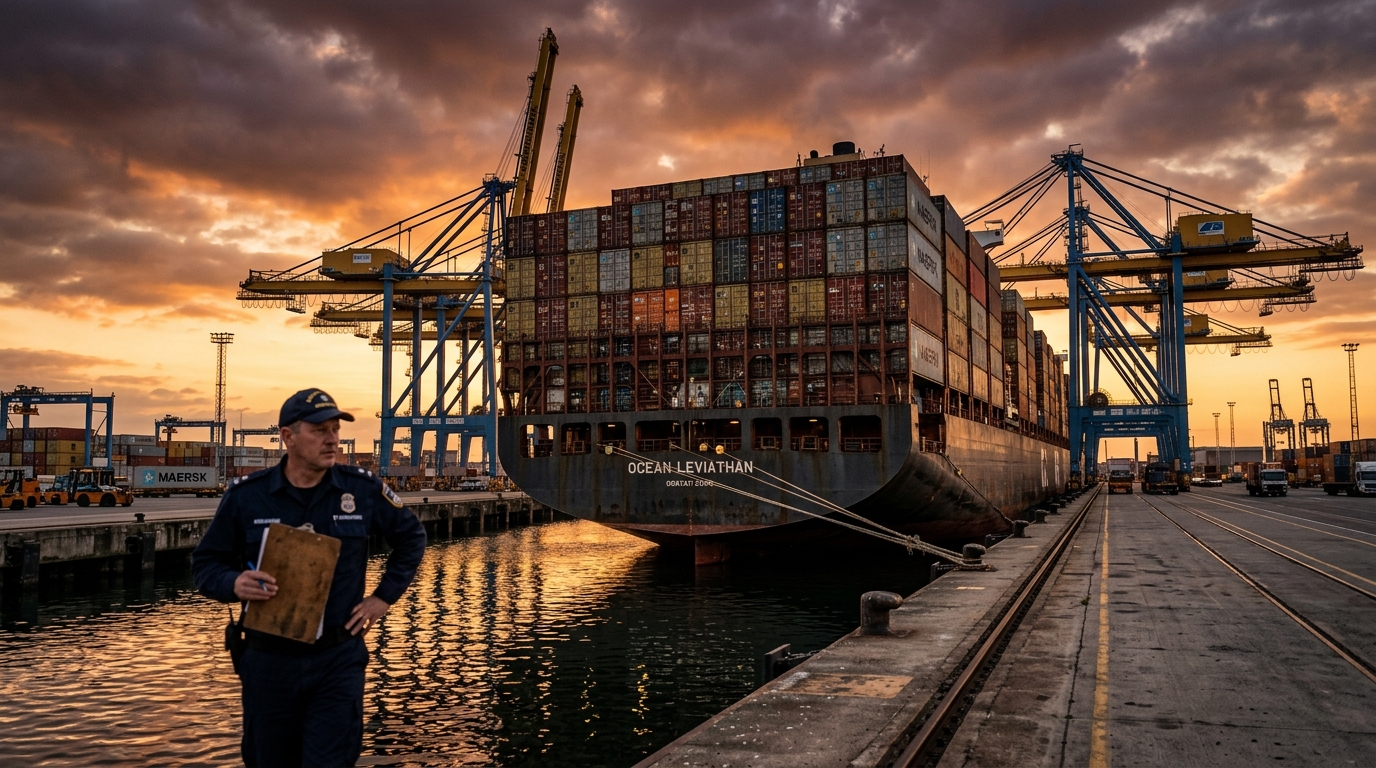
The Federal Revenue Service’s review timeframe can range from weeks to months, depending on the type of authorization, the completeness of the documentation, and the company’s tax profile. When the shipment arrives at the port without an active RADAR authorization, the goods are held, generating storage fees, additional costs, and the risk of return.
What the Federal Revenue Service reviews
The Federal Revenue Service does not grant authorization automatically. It assesses:
- Tax and social security compliance
- Alignment between share capital and the intended volume
- Actual operational structure (partners, address, business activity)
- Tax compliance history
Any pending issue—an installment plan, an overdue DCTF filing, a partner with an irregular CPF—can stall the process.
What to do now
If your company plans to import in the next 6 to 12 months, now is the time to start the authorization process. The cost of starting early is zero. The cost of delaying can be high.
Swap One’s team supports companies throughout the entire RADAR authorization process: eligibility assessment, documentation organization, follow-up with the Federal Revenue Service, and guidance to avoid denials.
Do not wait for the shipment to arrive to find out you do not have RADAR. Speak with us today.